

DISCOVER THE DUAL TRUSS SHELTER SYSTEM
BEST DIY SHELTERS ON THE MARKET
Lighter snow areas
10 ft truss spacing
Lower entry price
Boats, RVs, equipment
Heavier snow areas
About 8 ft truss spacing
Stronger all-around frame
Farm, shop, equipment
High snow load areas
About 6.5 ft truss spacing
Strongest frame option
Commercial and tough sites

Standard Dual Truss
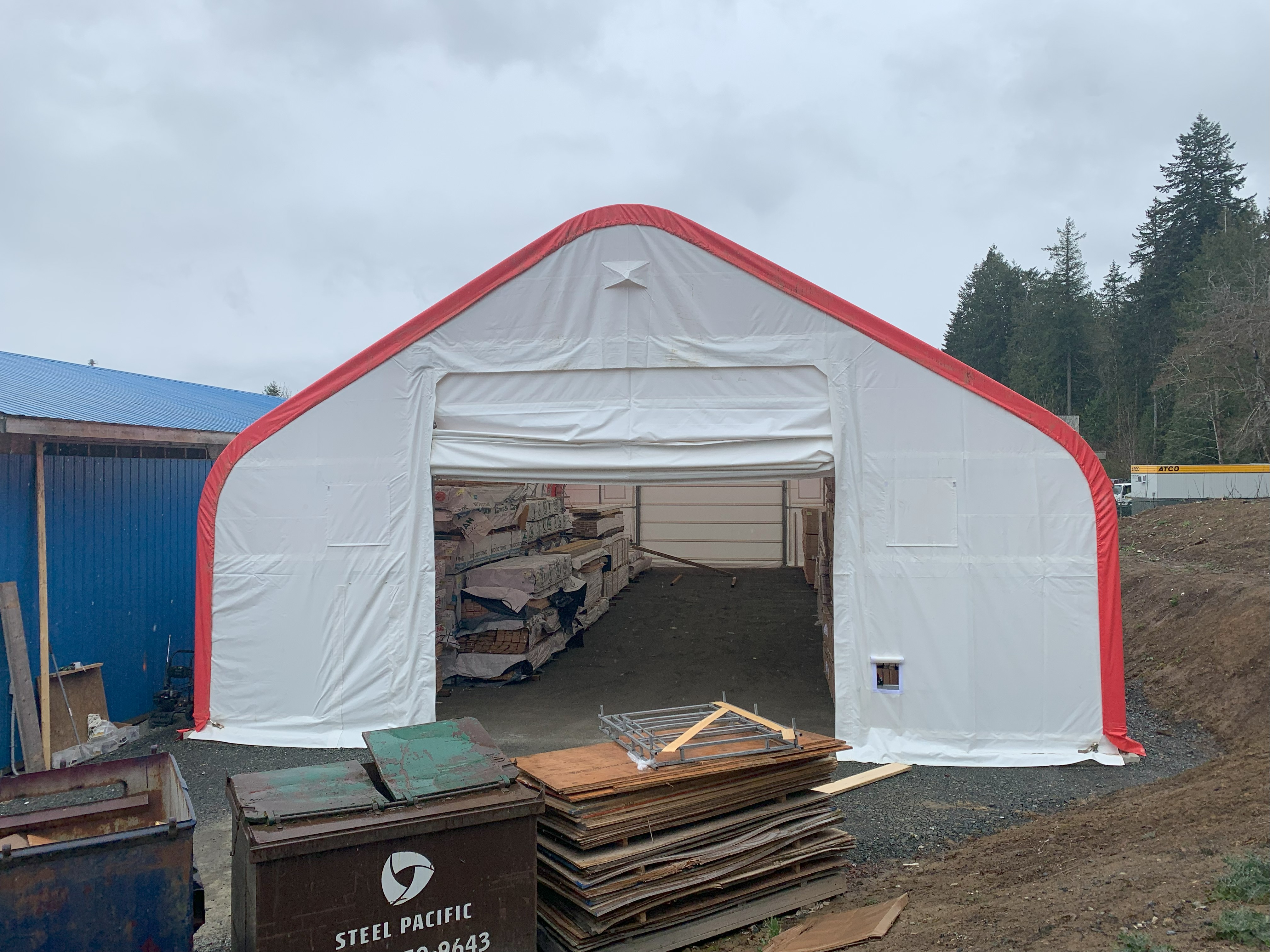
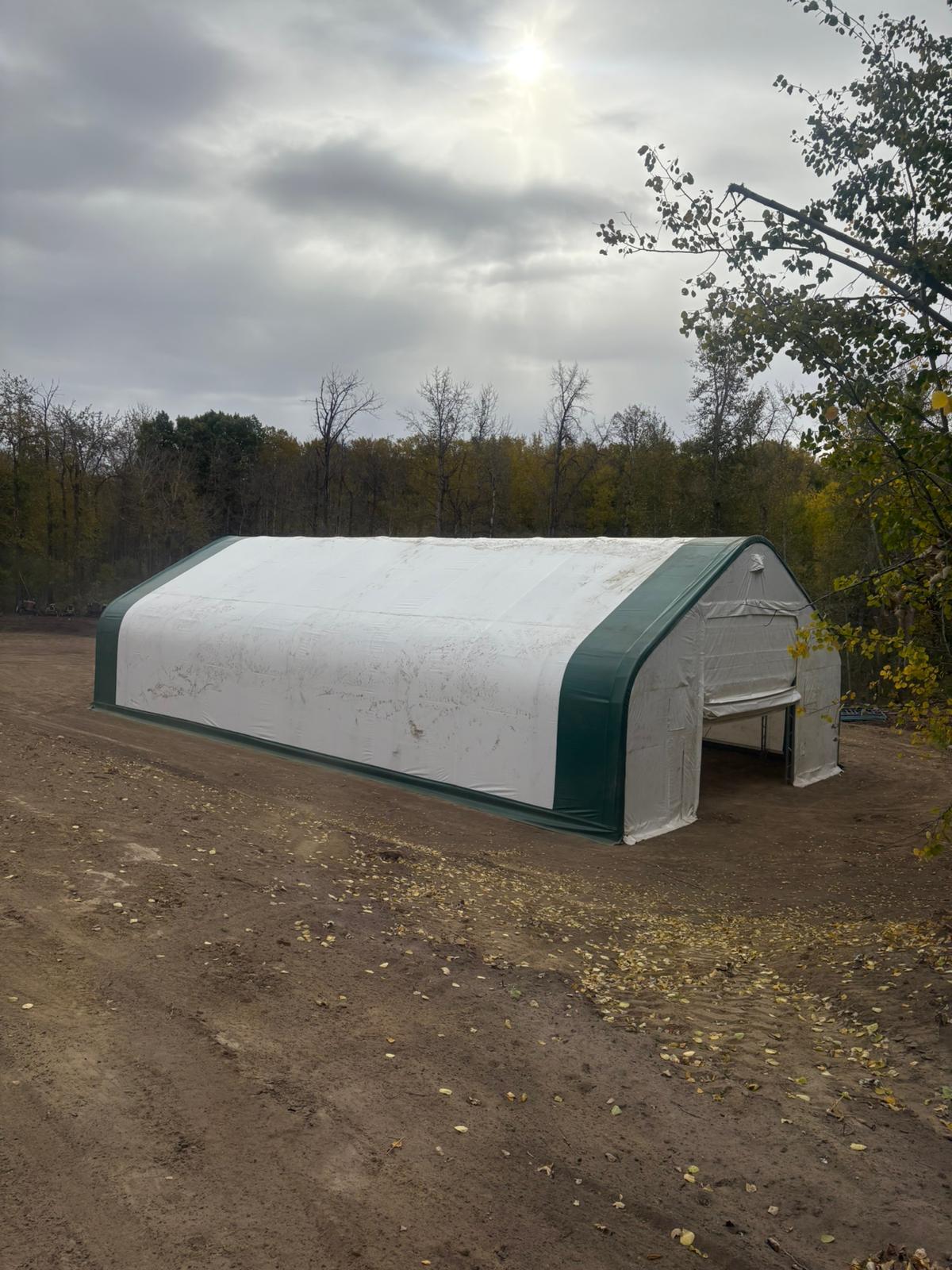
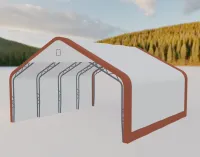
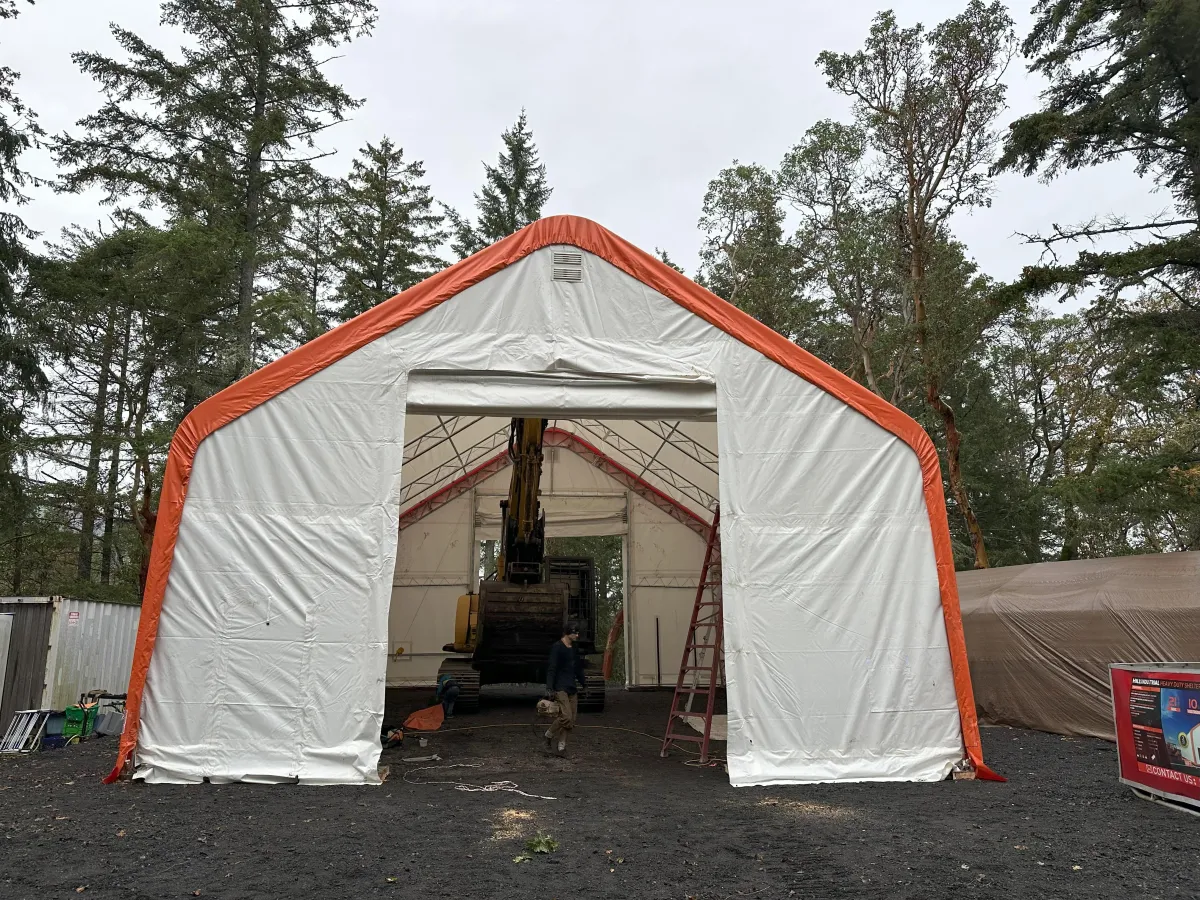
Our Standard Dual Truss shelters are built for customers who need a strong, dependable fabric shelter for general storage, equipment cover, and areas with lighter to moderate snow conditions.
Good for lighter to moderate snow loads
10 ft truss spacing
Strong and cost effective
Best for general use and milder winter regions
Great balance of price and performance

Calculated Snow Load
Calculated Ground Snow Load with a 25 degree large slippery slope
1.8 kPa max

Calculated Wind Load
75 km/h max
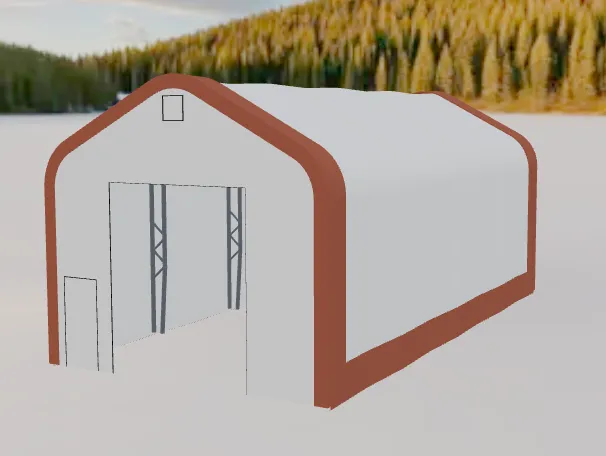
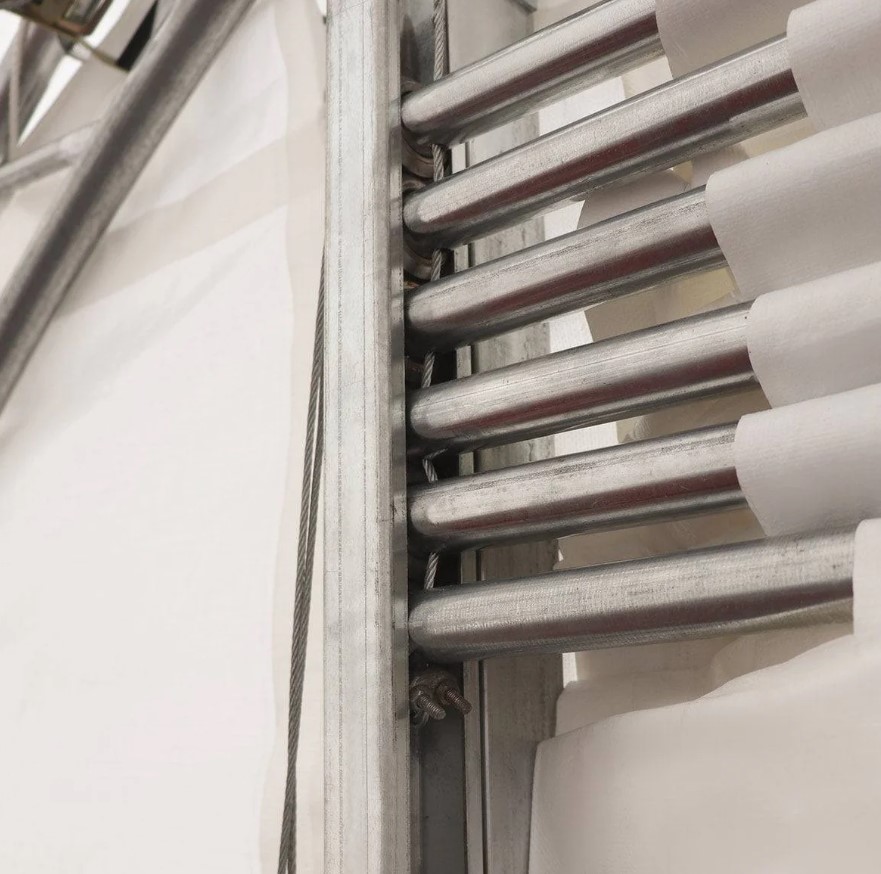
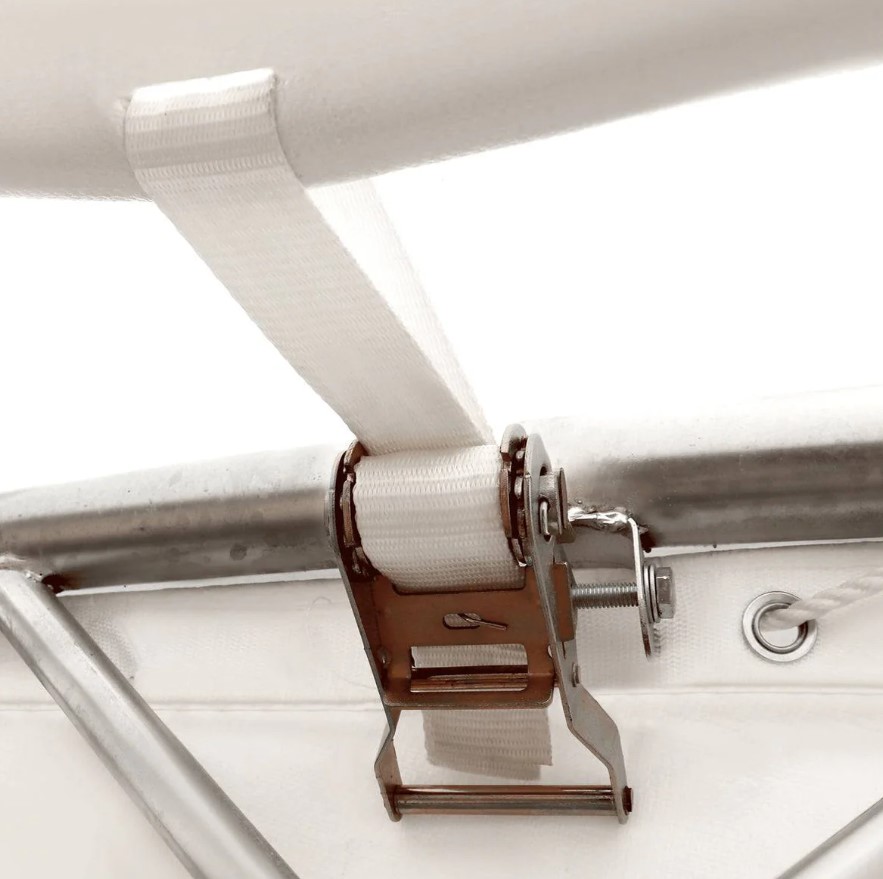
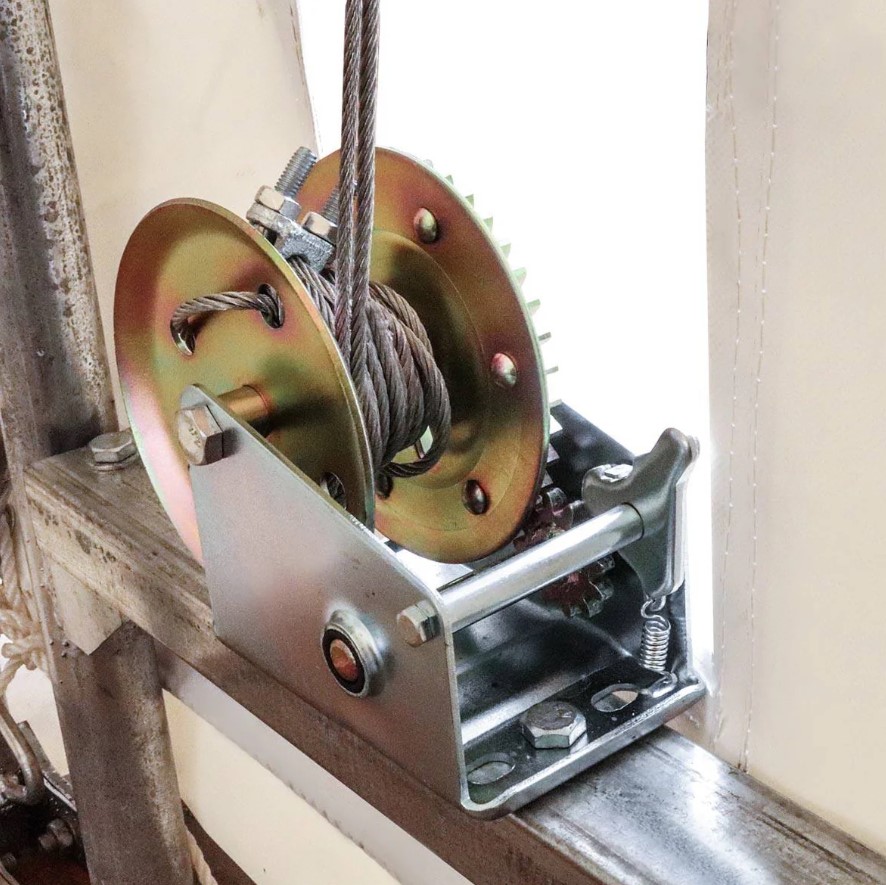




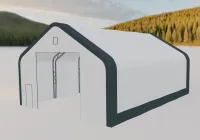
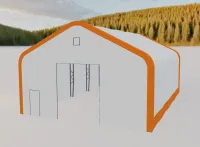
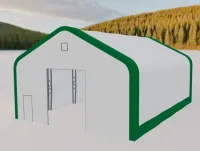
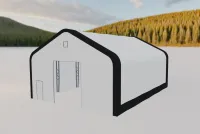
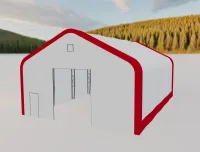
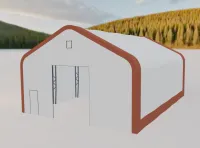
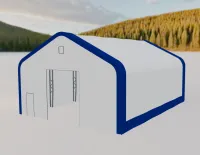
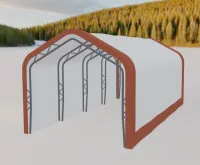
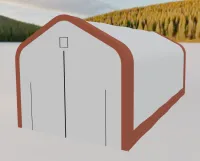
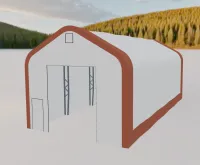
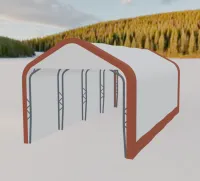
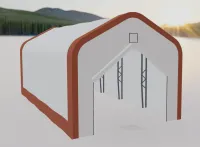
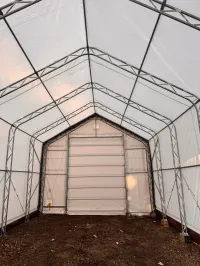
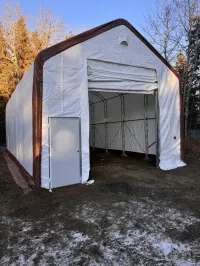
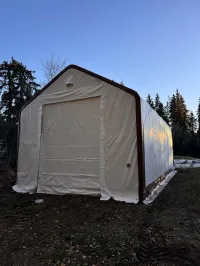
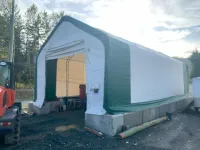
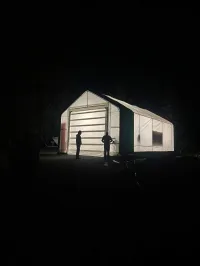
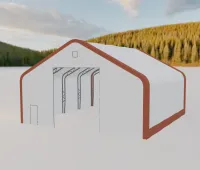
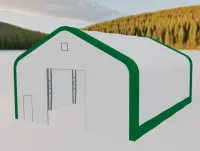
Standard Dual Truss 20x40x18
CA$6800.00
Quantity
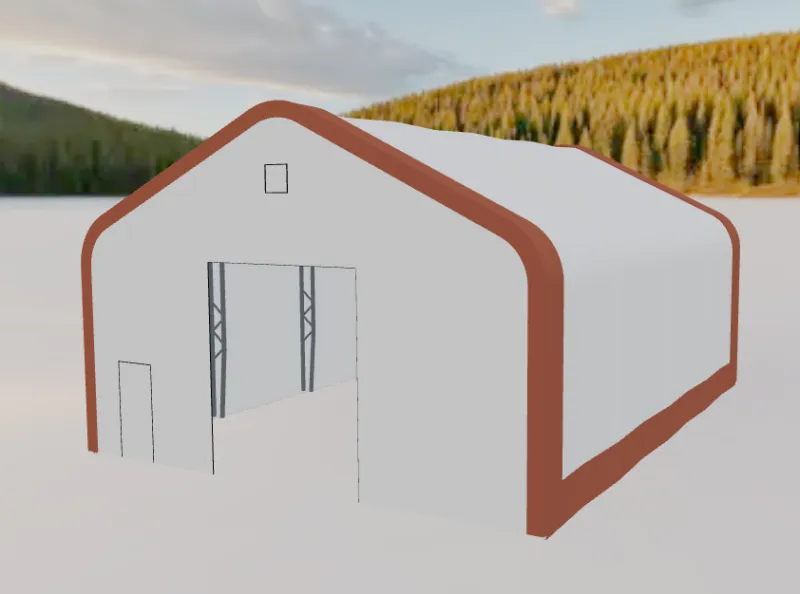




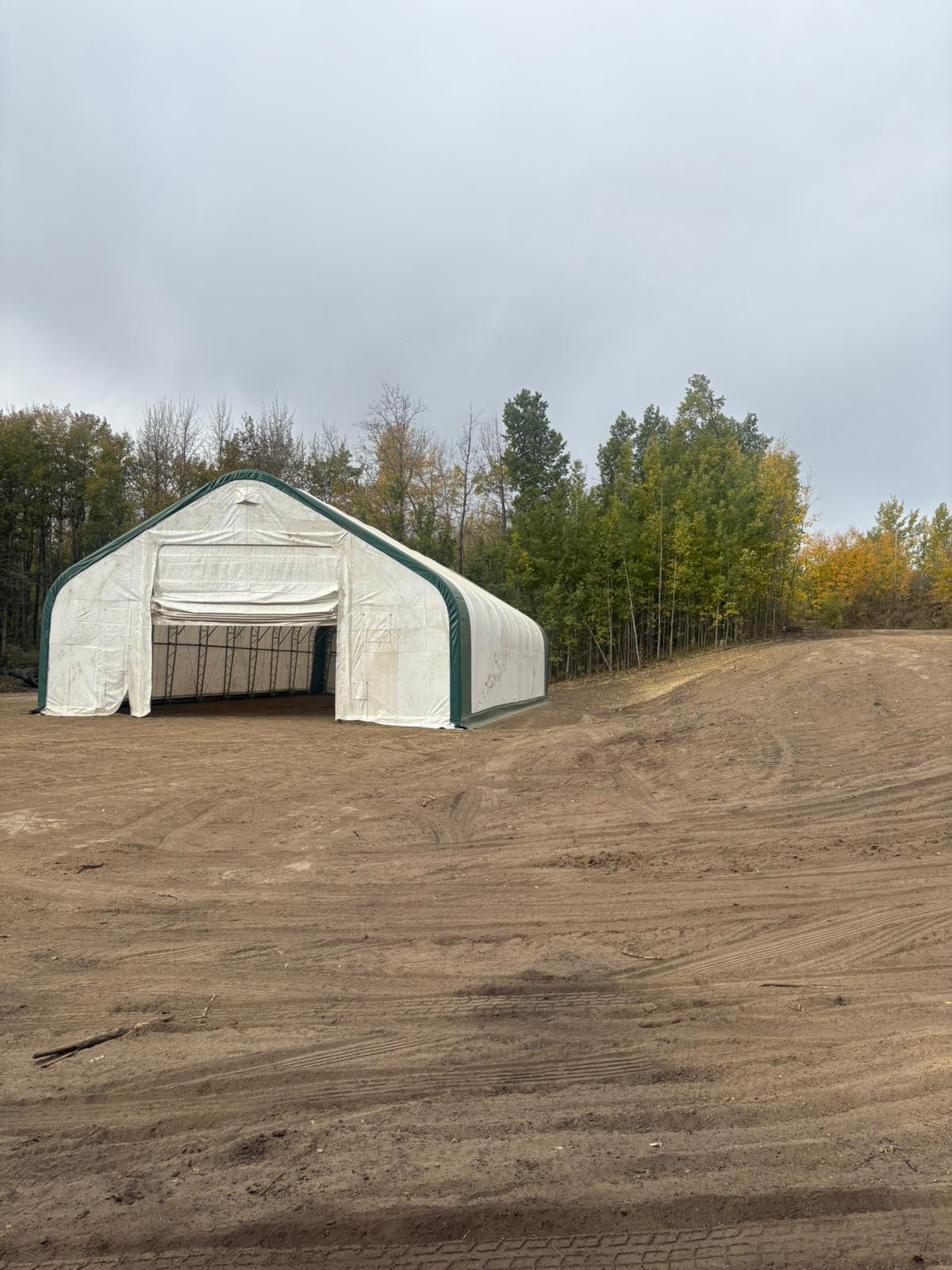
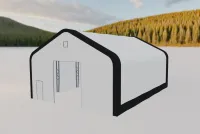
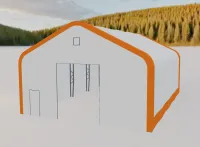
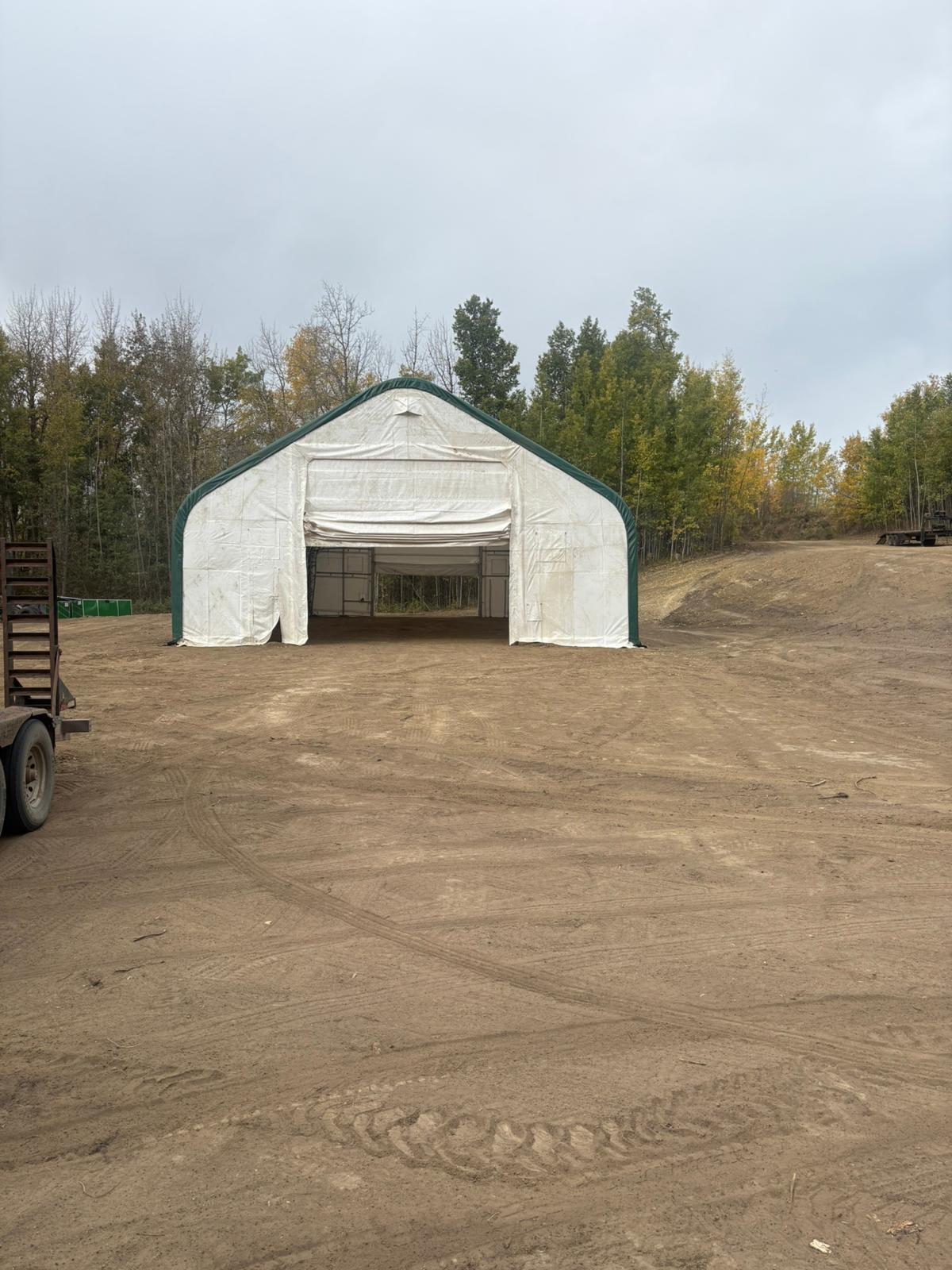
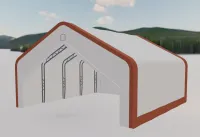
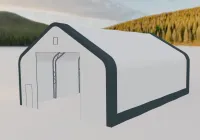
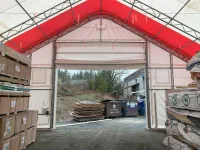
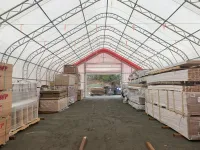
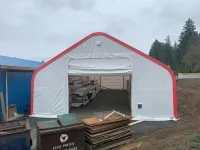
Alpine Dual Truss 40x80x24
CA$23050.00
Quantity

Alpine Dual Truss
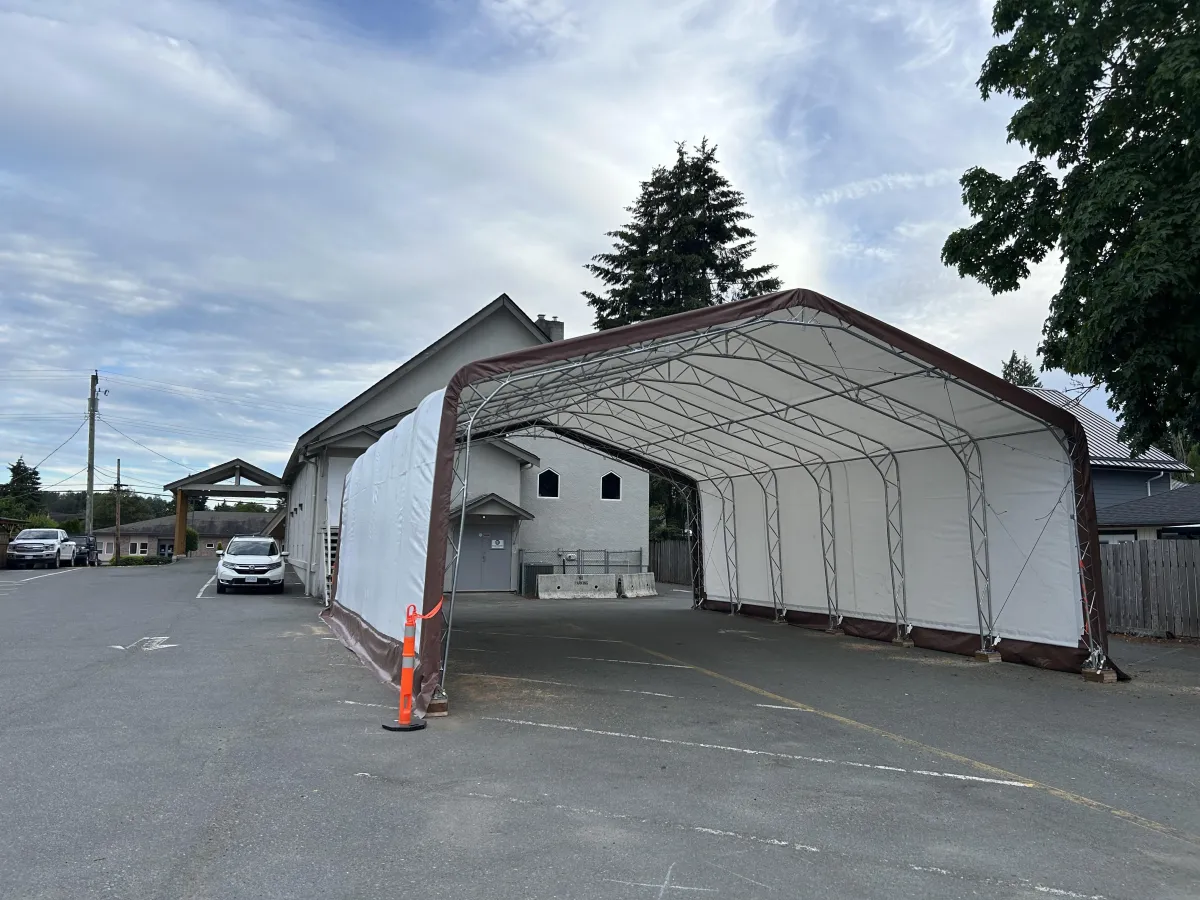
Our Alpine Dual Truss shelters are built for stronger winter performance, giving customers added snow load capacity and a tighter truss system for more demanding conditions.
Better for moderate to heavy snow loads
About 8 ft truss spacing
More strength and better snow handling
Best for customers needing added winter reliability
Strong upgrade over Standard Dual Truss
Calculated Snow Load
Calculated Ground Snow Load with a 25 degree large slippery slope
2.2 kPa max
Calculated Wind Load
105 km/h max

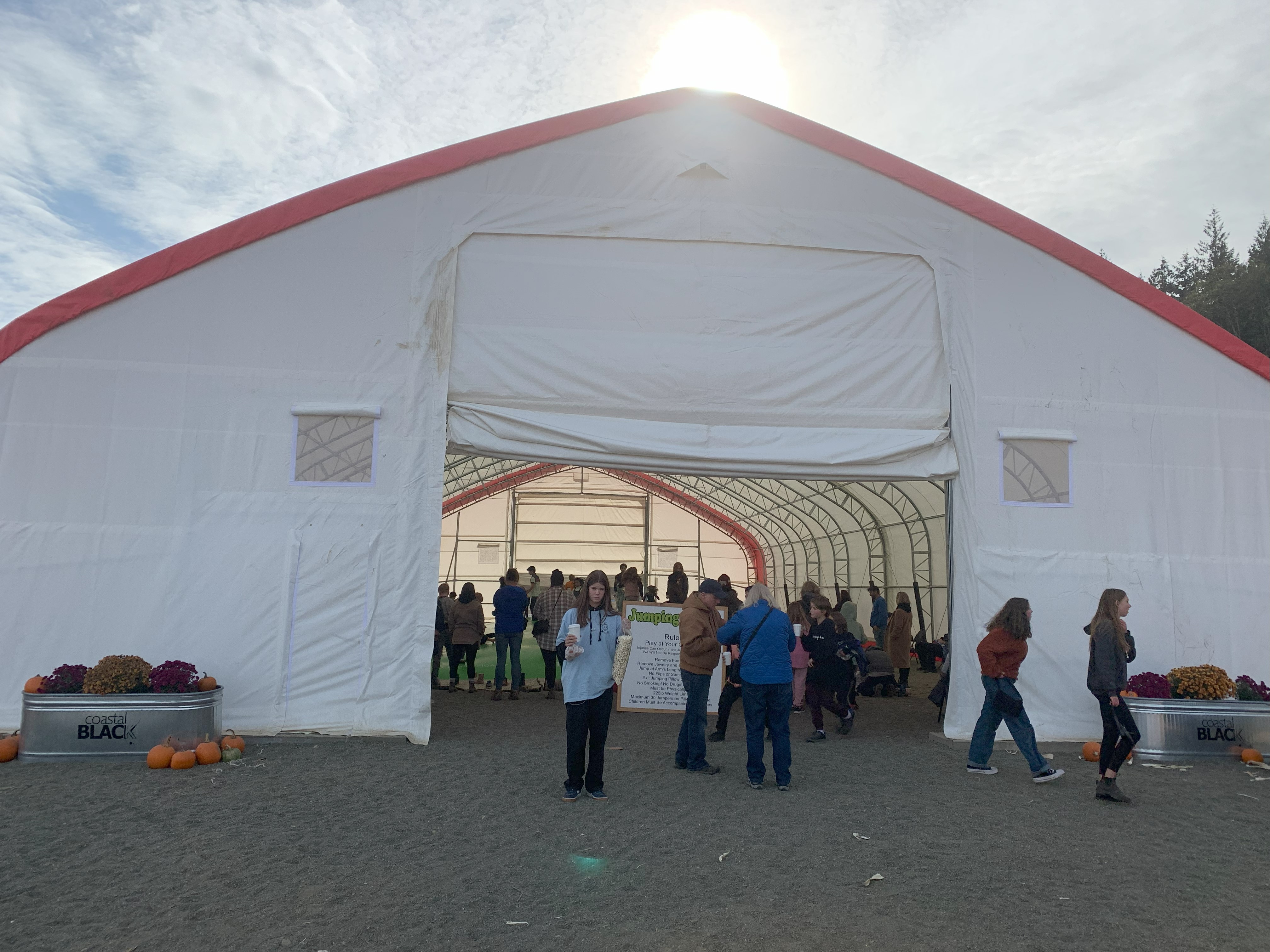
Alpine Pro Dual Truss
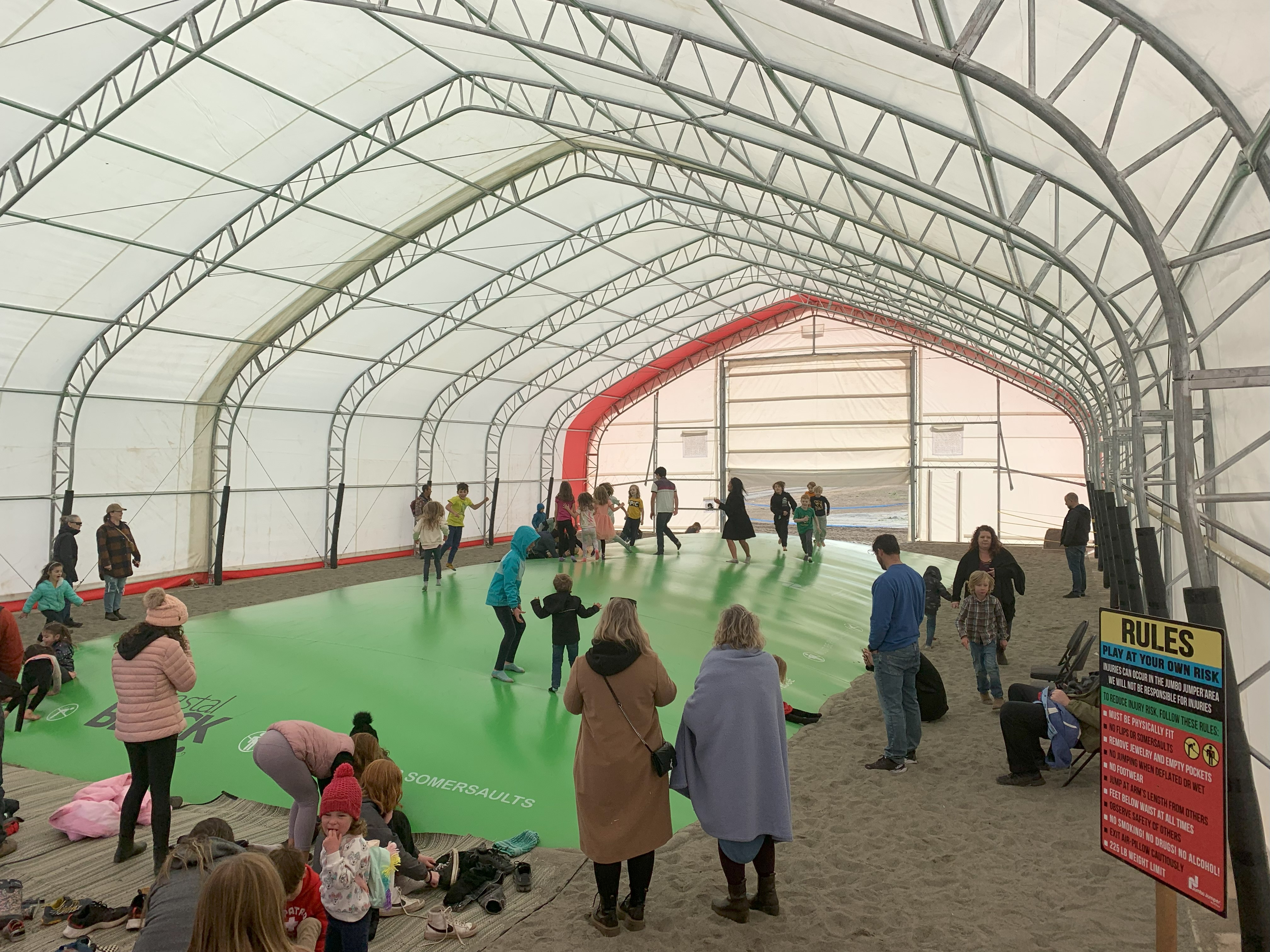
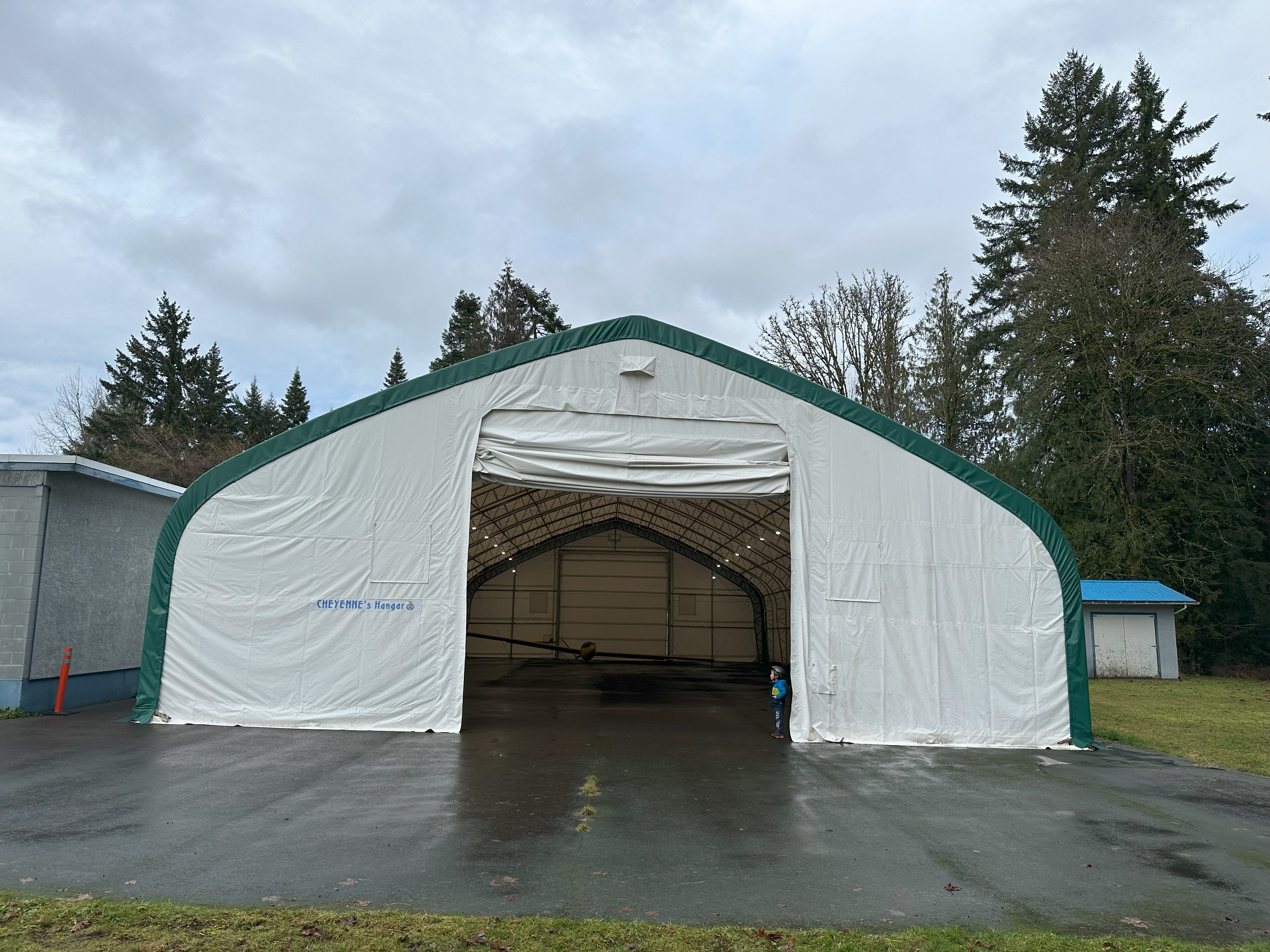
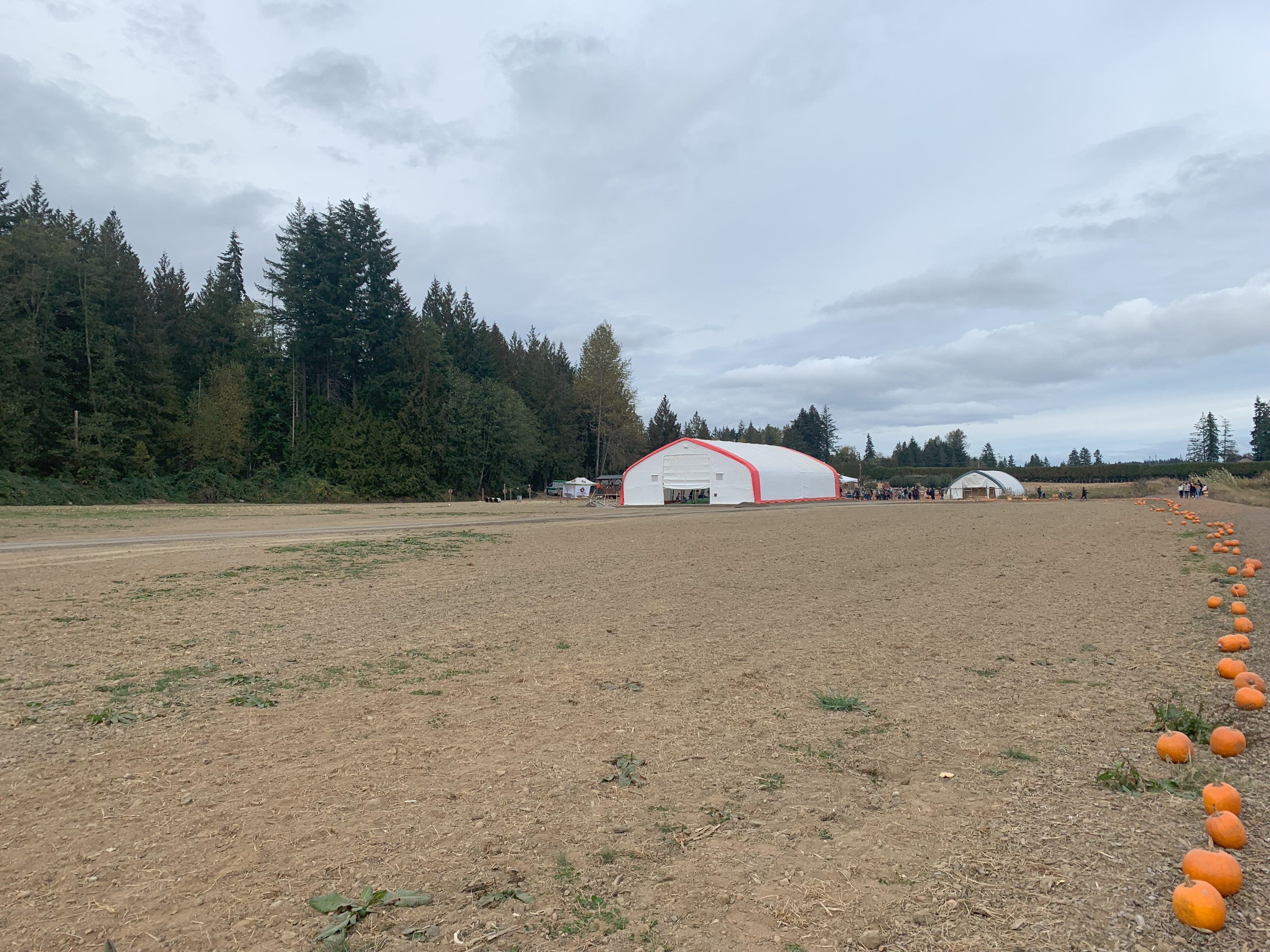
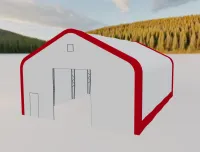
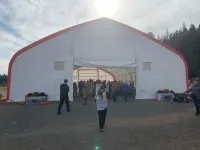
Our Alpine Pro Dual Truss shelters are built for the toughest conditions, with the tightest truss spacing and the highest level of strength in our Dual Truss lineup.
Best for heavy snow loads
About 6.5 ft truss spacing
Maximum strength and support
Built for the harshest weather conditions
Top tier option for serious winter performance
Calculated Snow Load
Calculated Ground Snow Load with a 25 degree large slippery slope
3.0 kPa max
Calculated Wind Load
120 km/h max

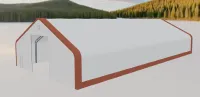




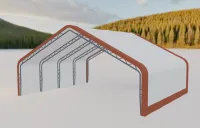
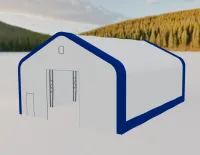
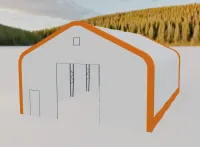
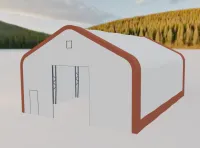
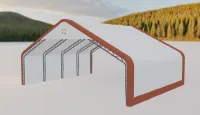
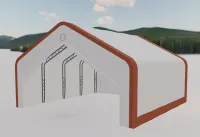
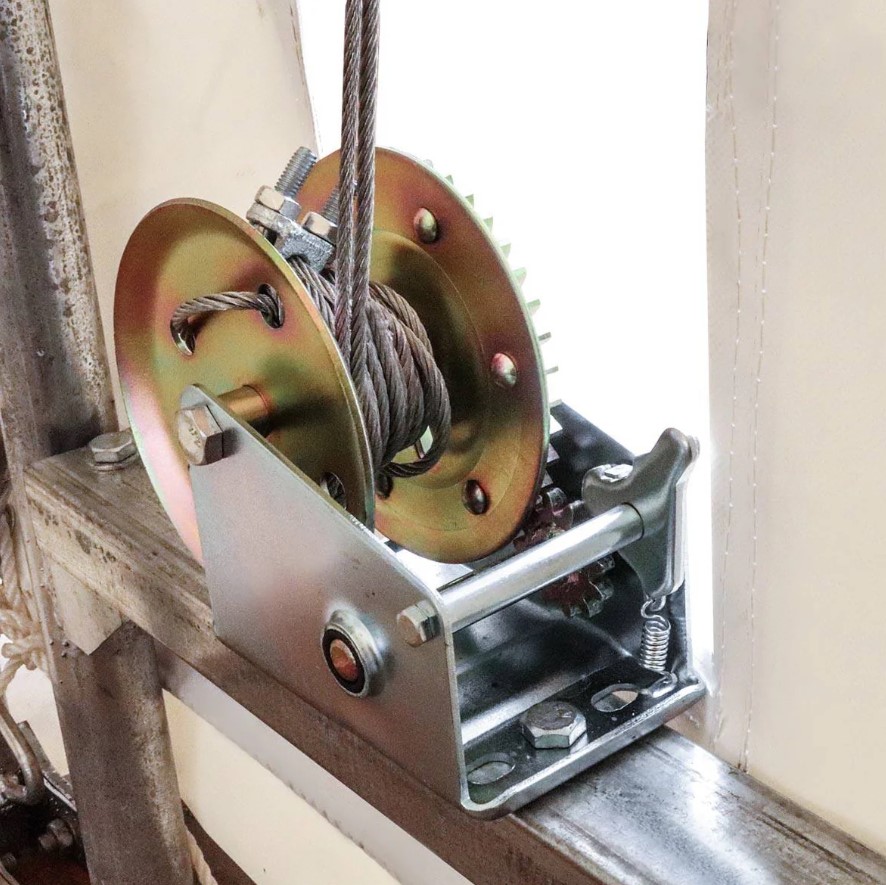
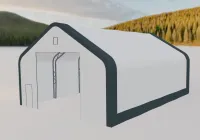
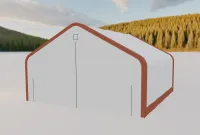
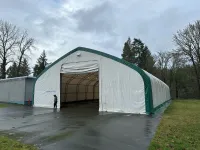
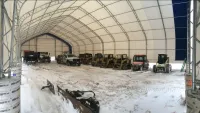
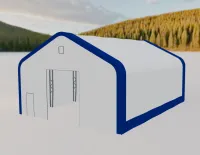
Alpine Pro Dual Truss 50x100x24
CA$35900.00
Quantity
Real Steel Framing
for Real Load Ratings
Designed to Stay Straight Under Extreme Conditions.
WHATS SO GOOD ABOUT DUAL TRUSS?
How does a Dual Truss frame increase load capacity?
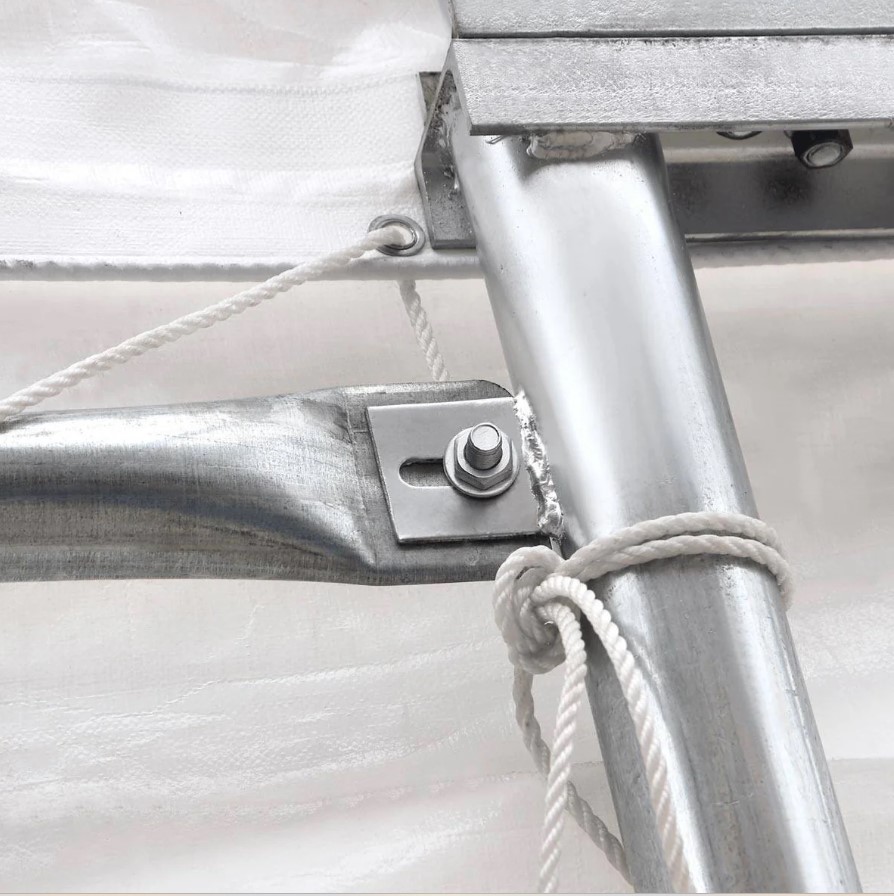
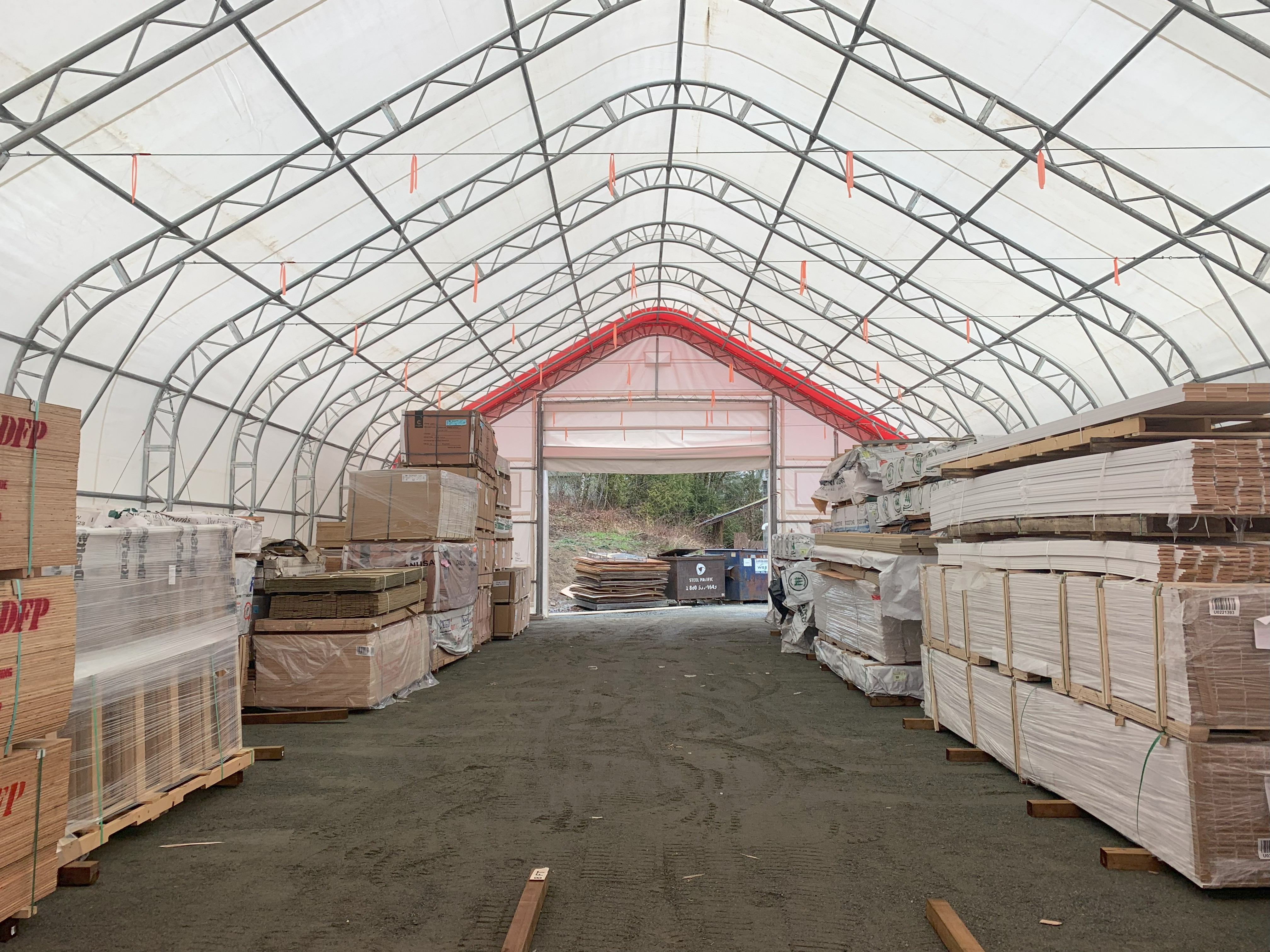
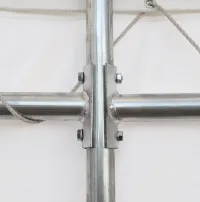
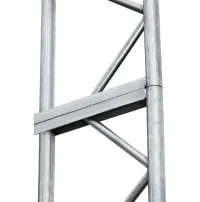
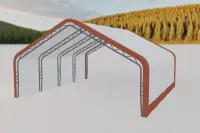
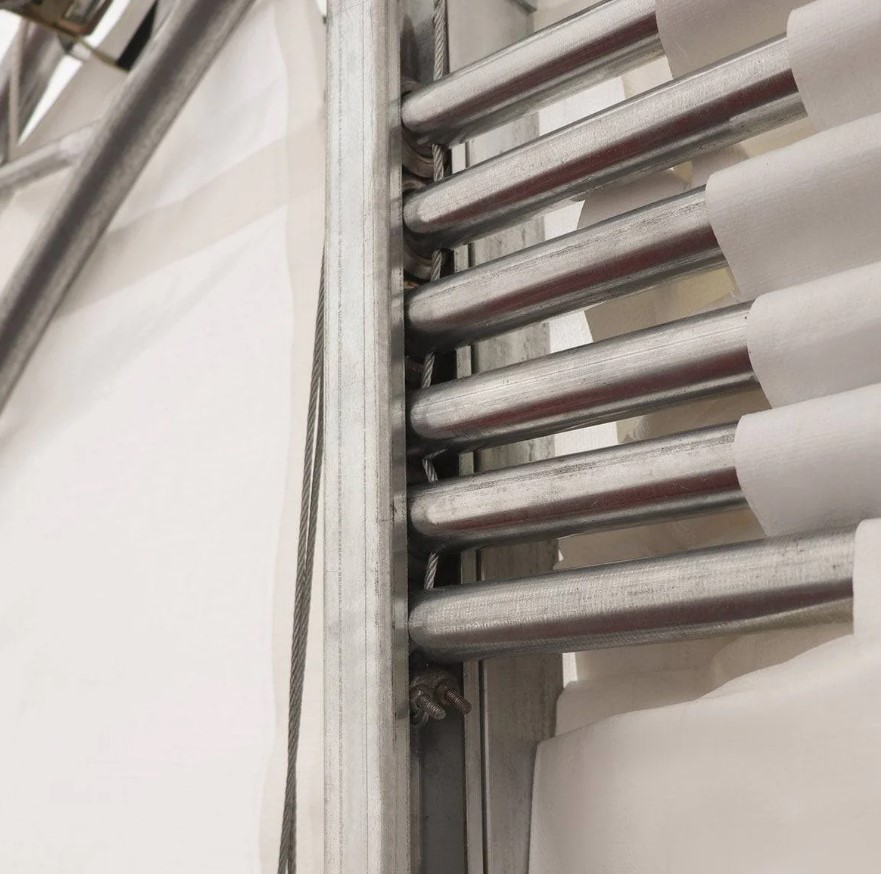
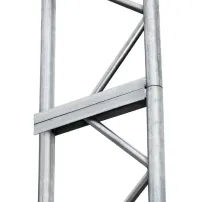
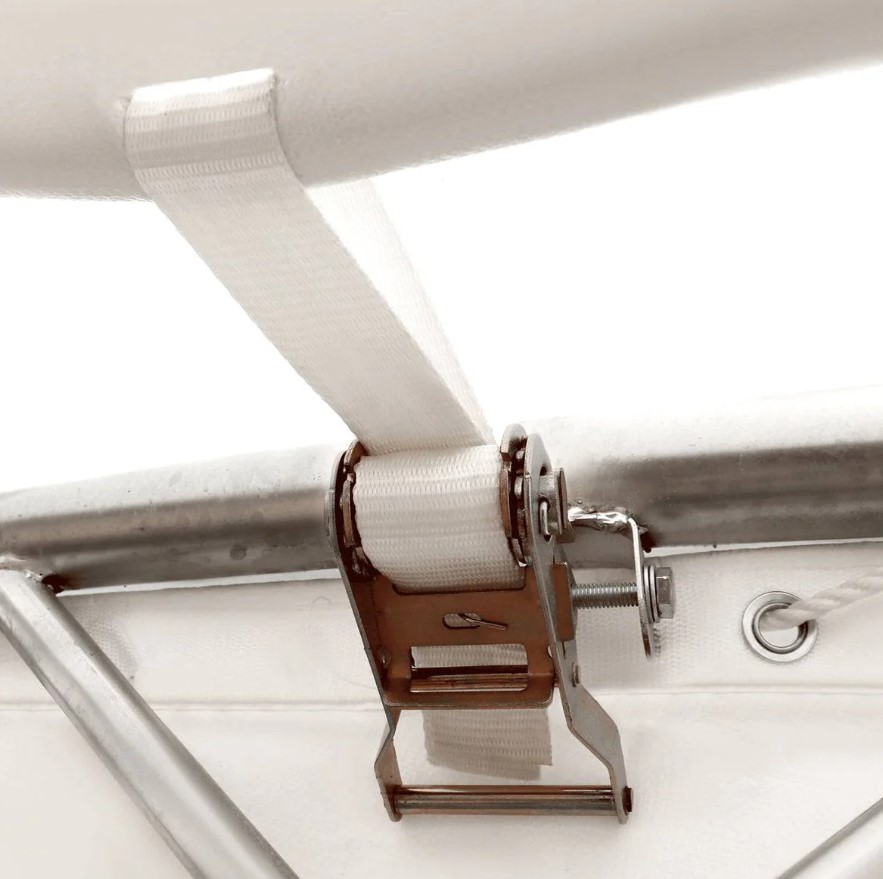
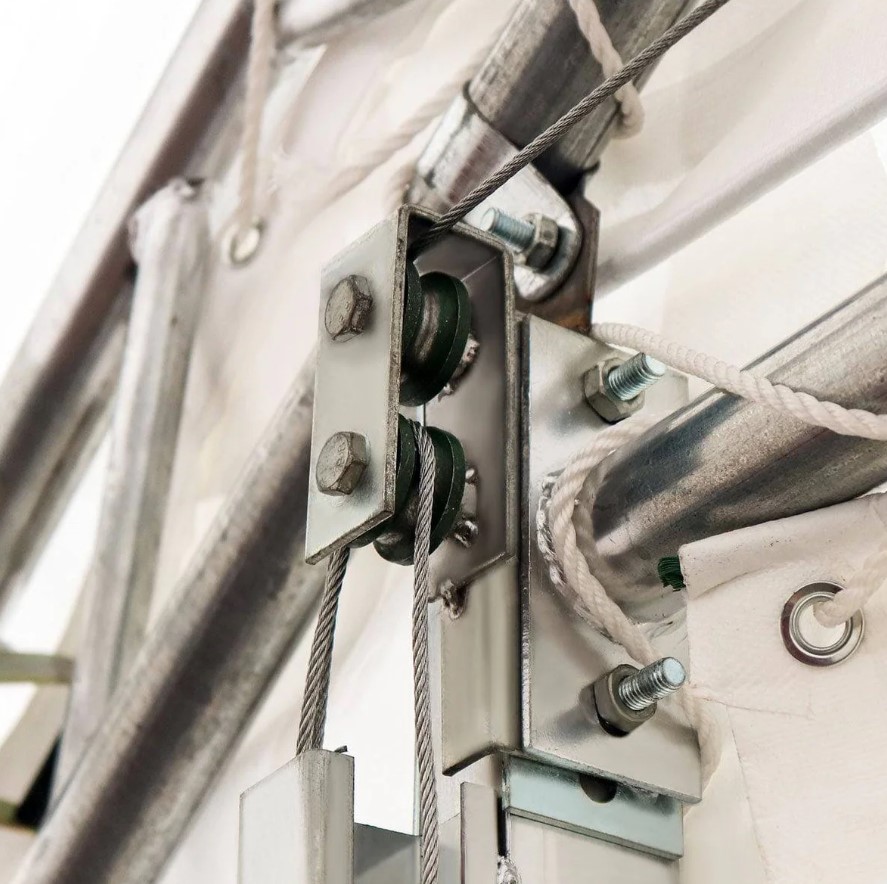
Two parallel steel trusses act as a single composite system. This increases moment of inertia, reduces mid span deflection, and lowers stress per chord under uniform snow loads.
How does truss spacing affect snow performance?
Tighter spacing shortens tributary length per truss. Less roof area per frame equals lower point load, reduced fabric sag, and improved load sharing across the structure.
What steel and connection method is used in Dual Truss frames?
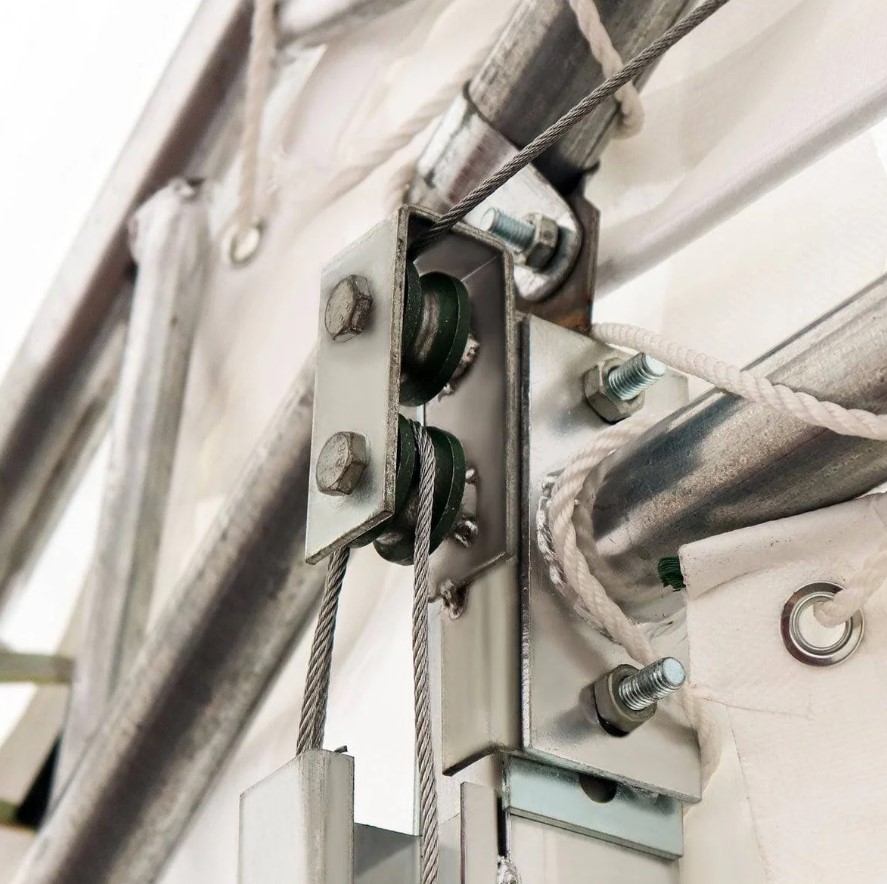
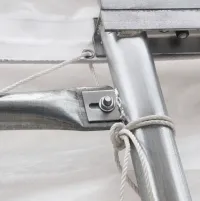
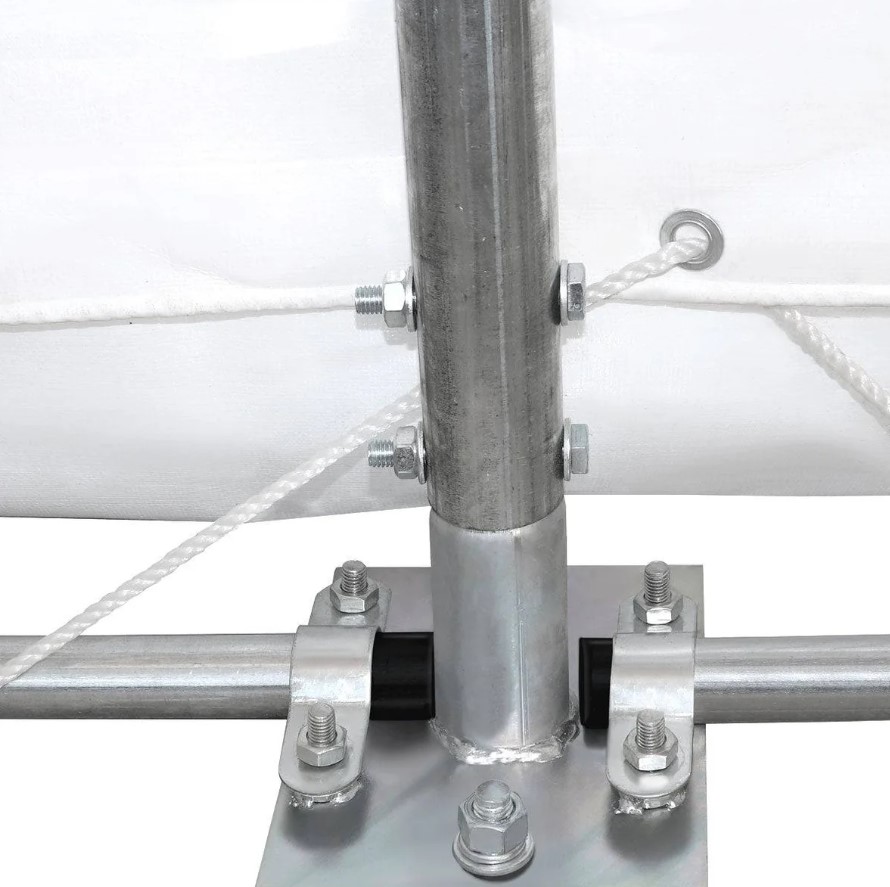
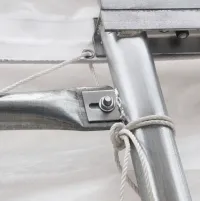
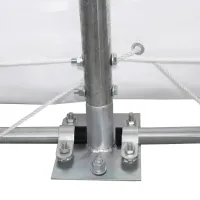
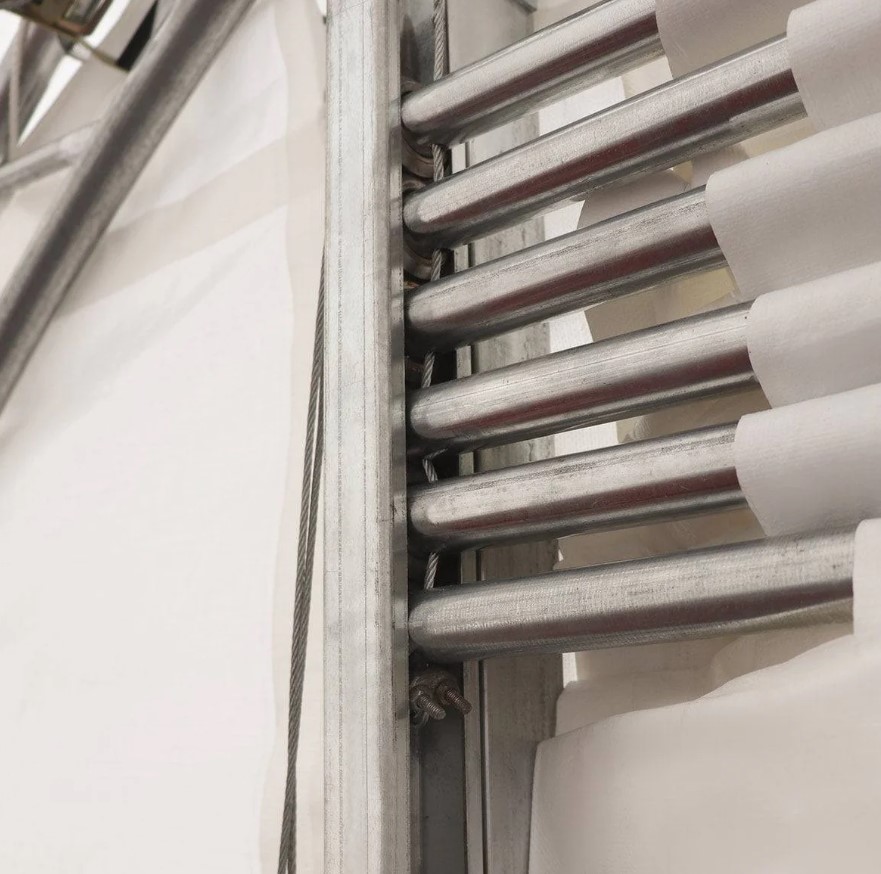
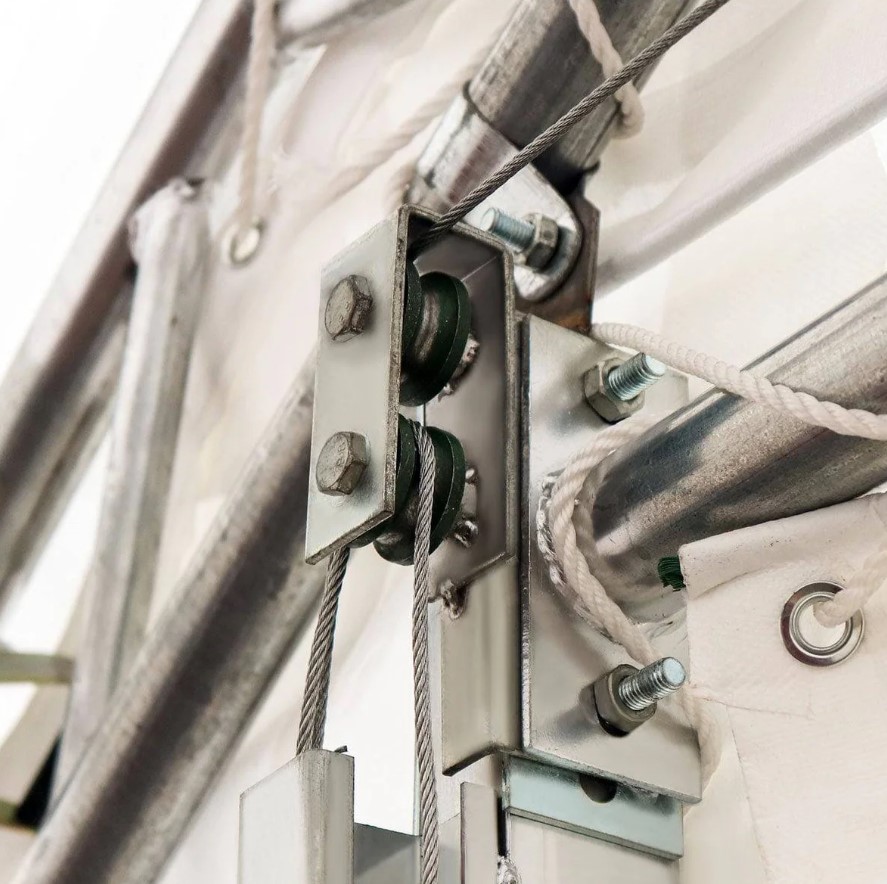
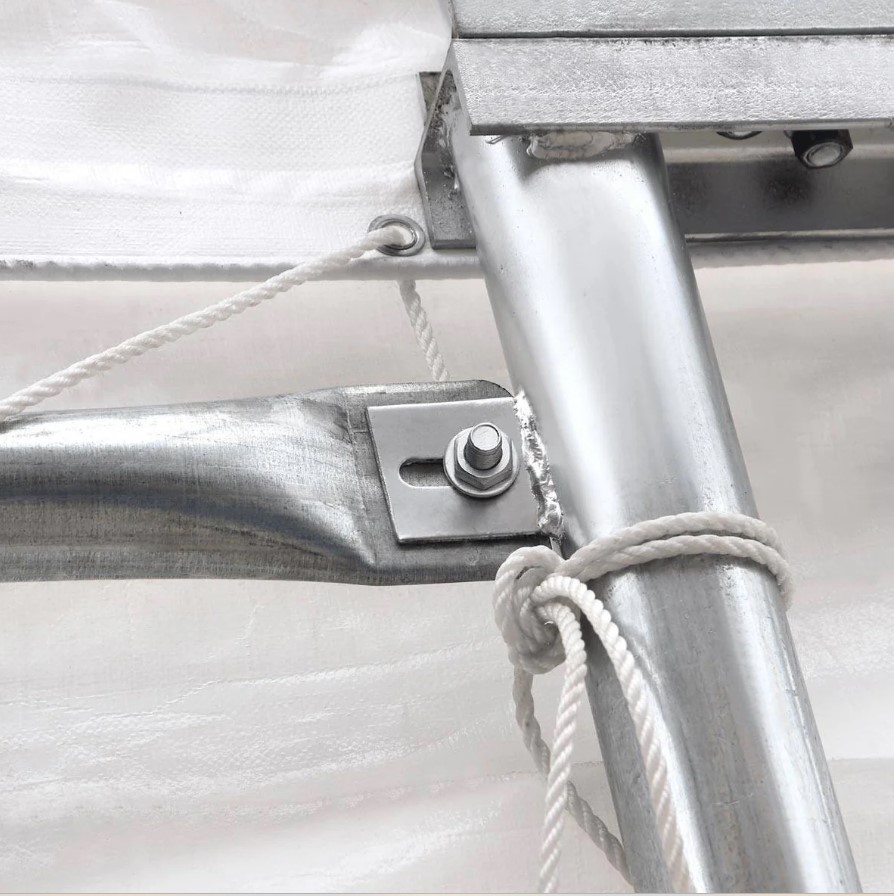
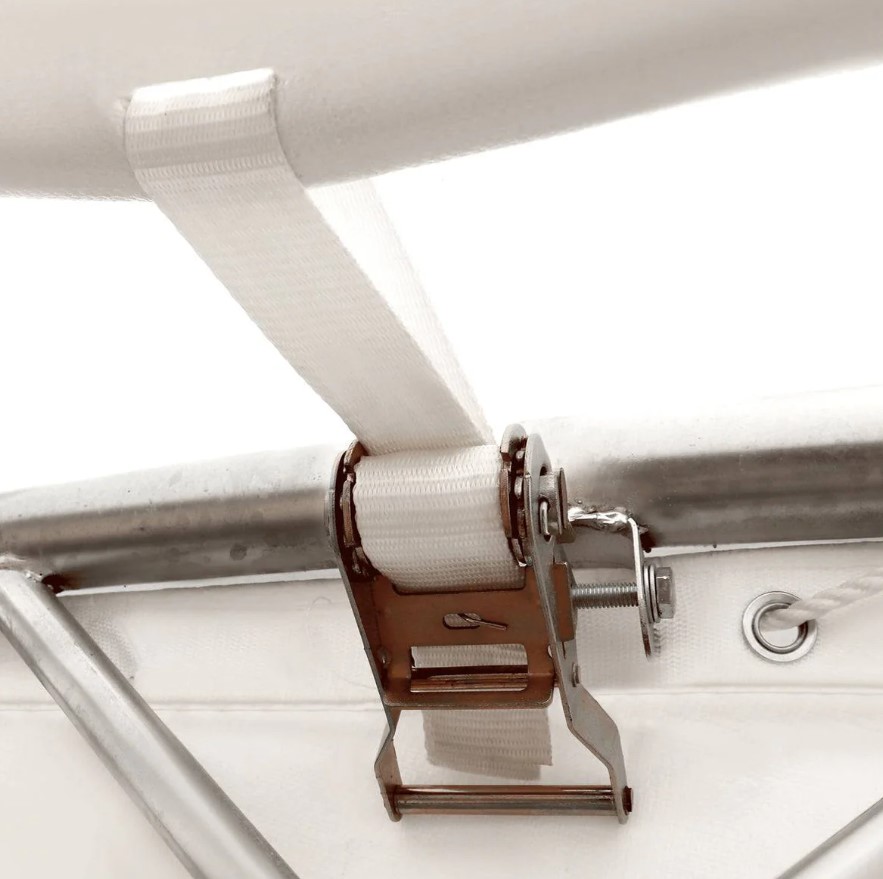
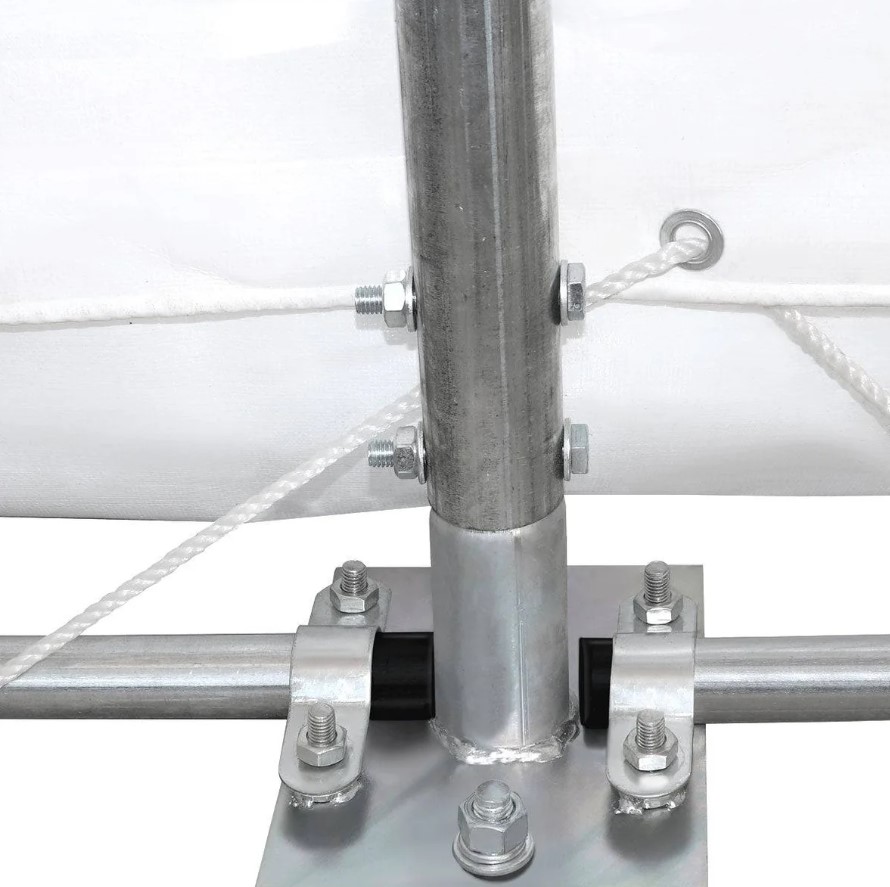
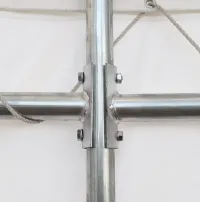
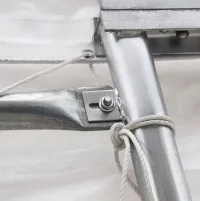
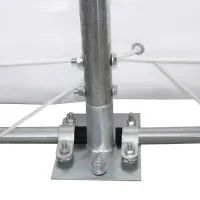
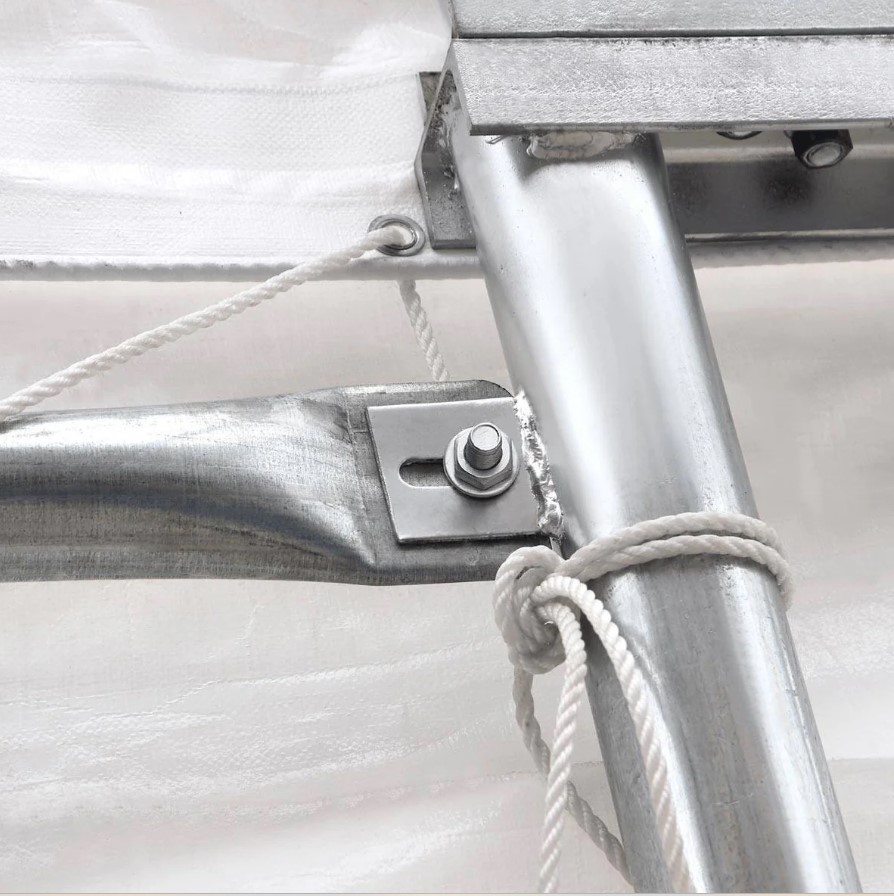
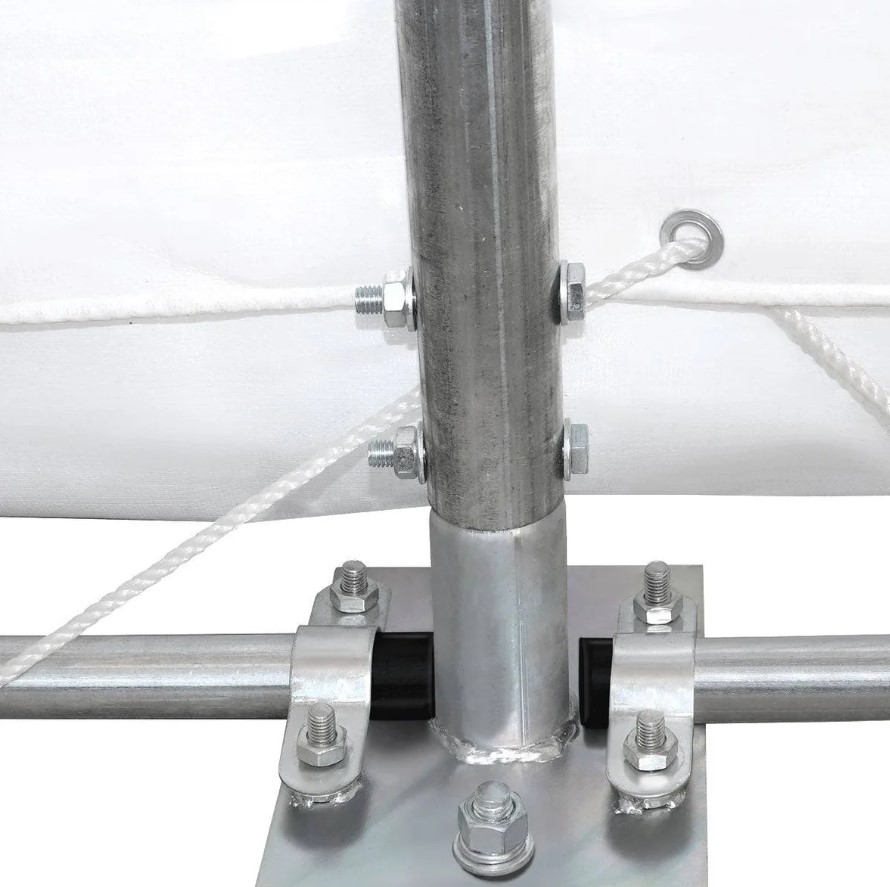
Cold formed structural steel with bolted gusset plate connections. Bolted joints allow controlled load transfer, consistent torque values, and repeatable structural behavior across all bays.


TOOLS
Find The Right Dual Truss Model For You
Check Out Free Shipping On Orders Over $10,000.00
Find a Dealer Near You

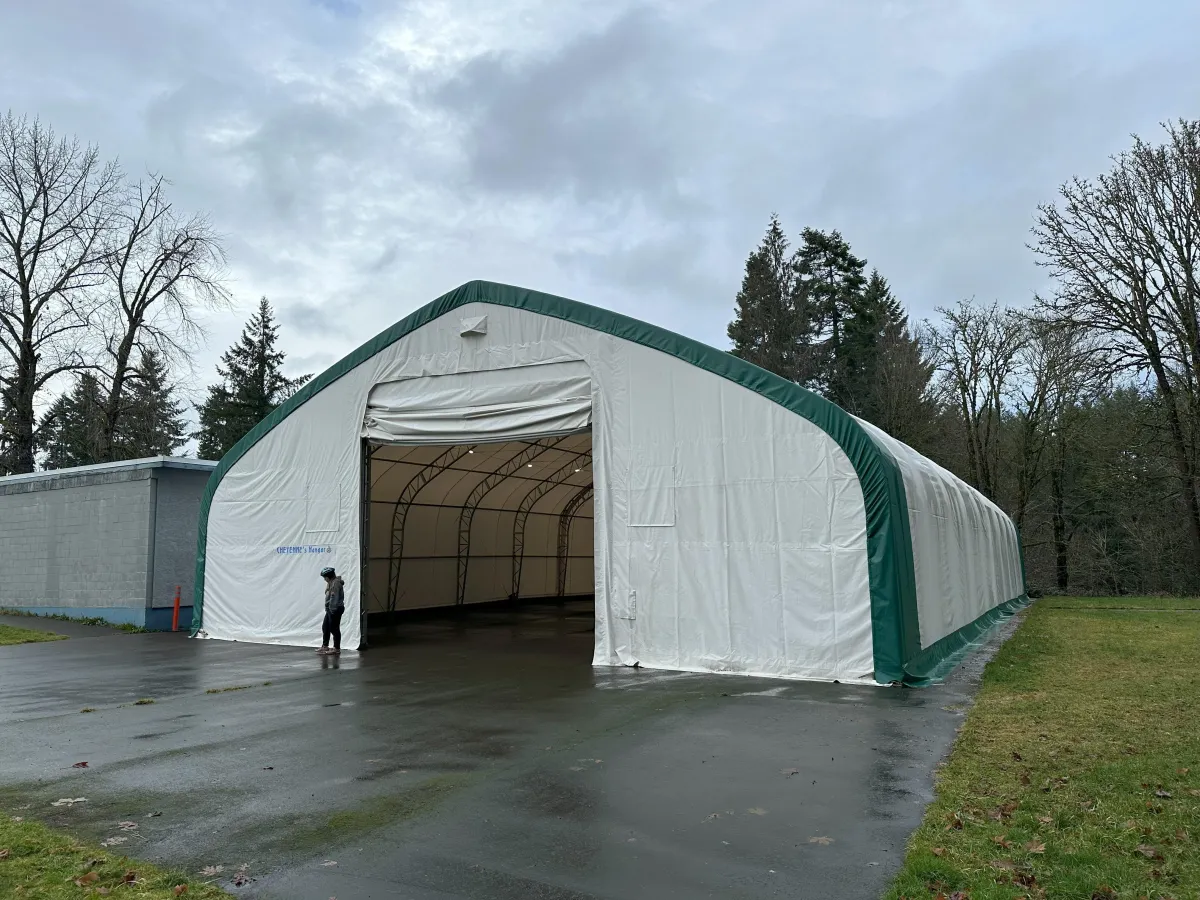
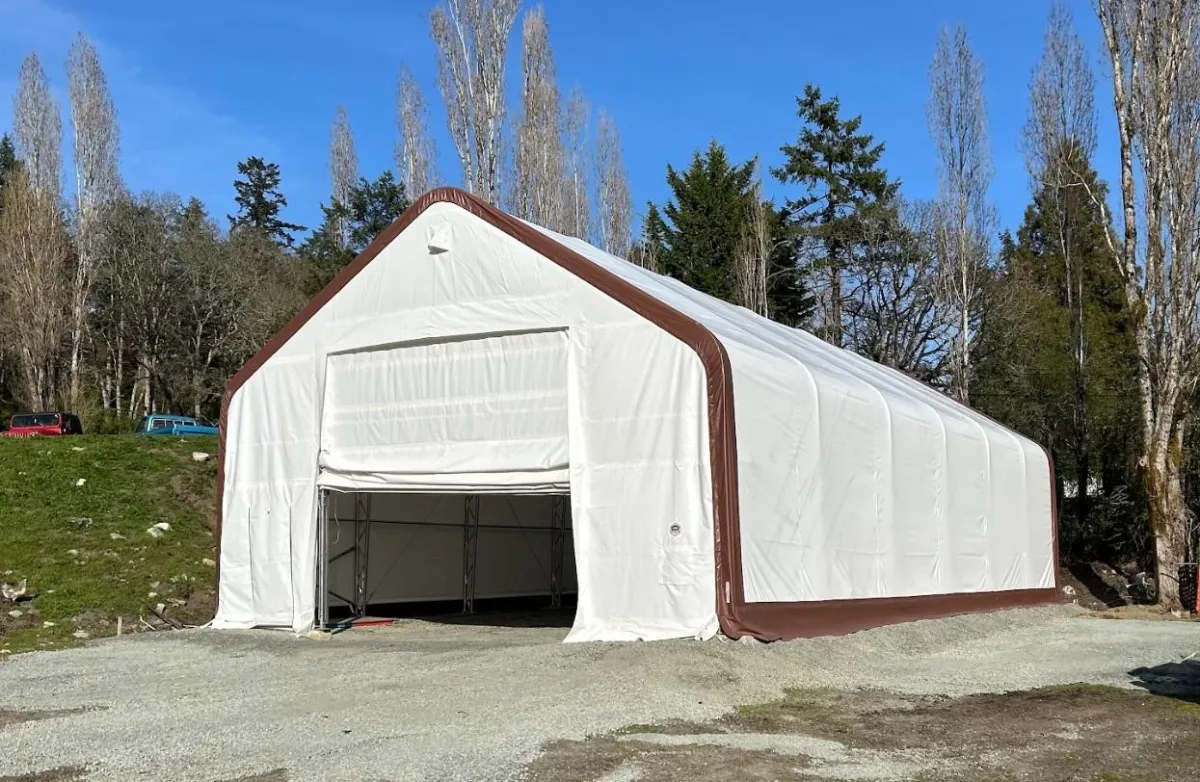


Explore
SUPPORT
TOOLS
ABOUT
LEGAL


© Copyright 2026. Alpine Structures. All Rights Reserved.